
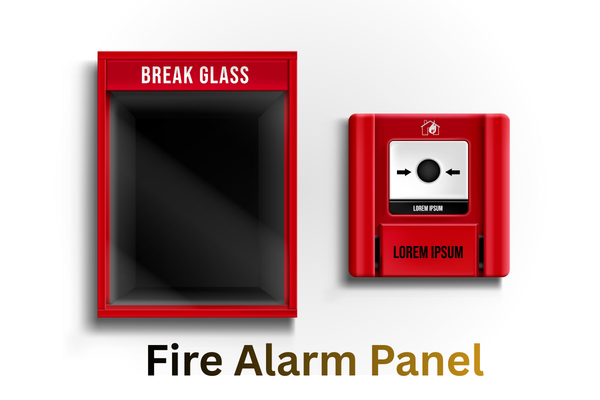
When a fire alarm sounds in a building, most people immediately search for the nearest exit. Few stop to consider what triggered the alarm. At the heart of every reliable fire alarm system is an essential component that operates silently: the fire alarm panel.
Table of Contents
Often, the brain of the system, the fire alarm panel, monitors the detectors, processes the signals, and activates the alarm when a critical alarm is detected. Whether installed in small offices, residential buildings, or large commercial complexes, these central control units play a vital role in keeping people safe. In this blog, we’ll explore in detail how a fire alarm panel works, what the smoke and heat signals look like when activated, and why understanding these systems is more important than you might think.
What Is a Fire Alarm Panel?
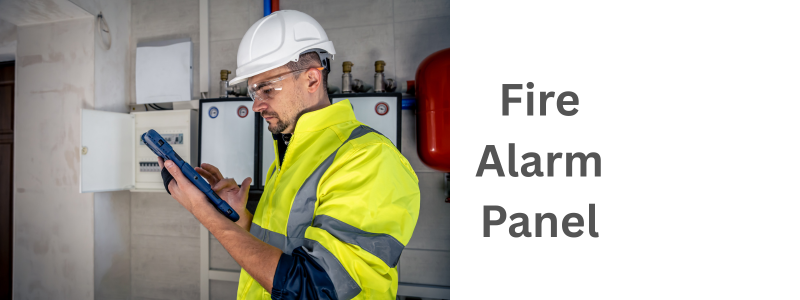
The fire alarm panel, also known as the Fire Alarm Control Panel (FACP), is the central hub of a building’s fire detection and warning system. It connects all the system’s equipment, including:
- Smoke detectors
- Heat detectors
- Manual call points (pull stations)
- Alarm sounders and strobes
- Sprinkler systems
- Monitoring services
Think of it like a command center. Each device communicates with the panel. If a detector senses heat or smoke, it sends a signal to the panel. The panel then decides what action to take: sound the alarm, notify emergency services, and activate the suppression system. Without the panel, the various devices would be unable to coordinate and respond properly. This ensures that everything works together as a complete rescue network.
Main Components of a Fire Alarm Panel.
To understand how a fire alarm panel works, it’s helpful to understand what’s inside it, as its design can vary depending on the manufacturer and system type. Most panels have these key components:
- Control circuit board: This is the core processing unit. It receives signals from the detectors and makes decisions based on program logic.
- Power supply: The panel is powered by the building’s main electrical supply. It also contains a backup battery to keep the system running in the event of a power outage.
- Input circuits: These connect to equipment like smoke detectors and manual pull stations. They carry signals from these devices to the panel.
- Output circuits: These send commands from the panel to the alarm, strobe, door release, elevator, and sprinkler systems.
- User interface: This includes a display screen, indicator lights, and control buttons. It allows building managers and technicians to monitor system status, reset alarms, and troubleshoot problems. Each component plays a specific role and works together. They form a coordinated response system.
Types of Fire Alarm Panels.
Not all fire alarm panels function the same way. There are three main types, each suitable for different building sizes and requirements.
- Conventional Fire Alarm Panel: In a conventional system, detectors are divided into zones. If an alarm sounds, the panel indicates which zone the fire is in, but not the specific device. These systems are commonly used in smaller buildings because they are simpler and more cost-effective.
- Addressable Fire Alarm Panel: Addressable systems assign a unique address to each device. When a detector is activated, the panel displays the appropriate location. This simplifies troubleshooting and speeds up emergency response. These are ideal for large commercial buildings, hospitals, and schools.
- Hybrid System: Hybrid panels combine features of both conventional and addressable systems. They offer flexibility for buildings that may expand in the future. The choice of the appropriate type depends on the building’s size, complexity, and safety requirements.
How the Panel Monitors System Health.
A fire alarm panel doesn’t just respond to a fire; it continuously monitors the entire system, checking for:
- Wiring faults
- Device failures
- Low battery levels
- Power supply problems
- Communication glitches
If something goes wrong, the panel displays a trouble signal. This alarm is divided into two parts. A trouble signal indicates to maintenance staff that the system needs to be attended to. Even if there is no fire, this continuous monitoring ensures that the system is always ready to respond if needed.
FAQs.-
How does a fire alarm panel work?
The fire alarm panel acts as the system’s control center. It receives signals from smoke and heat detectors, processes them, and immediately activates alarm warning lights and emergency response systems to protect people and property.
What is the basic knowledge of fire alarm system?
The basics of a fire alarm system are simple: detectors sense smoke and heat. The control panel processes the signals and issues alarms, prompting people to evacuate. It can also notify emergency services and automatically activate rescue systems.
What is type 4 fire alarm?
A Type 4 fire alarm system is a manual system that relies on a break-glass call point and an alarm sounder. It does not include automatic smoke detection, meaning someone must activate it to alert people during a fire emergency.
Conclusion:
A fire alarm panel is more than just a metal box mounted on a wall. It is the central brain of the entire life-saving system. From receiving the signal from the detector to initiating the alarm and coordinating the building’s response, it works silently in the background to protect life and property. When a smoke alarm is detected or a manual alarm is sounded, the panel processes the information in seconds and initiates a series of programmed actions. It monitors the health of the system, keeps you updated, maintains backup power, and integrates with other safety systems for ultimate protection. Whether you manage a small office or a large commercial property, knowing how a fire alarm panel works helps you maintain a safe environment. Ultimately, knowledge in fire protection is as important as technology. If properly maintained and regularly inspected, a fire alarm panel can provide years of reliable protection, giving you peace of mind when you need it most.