
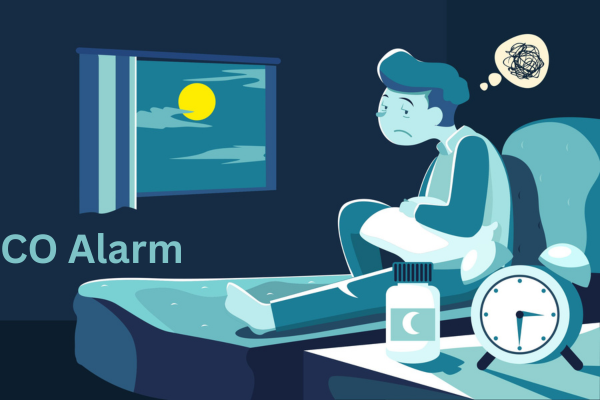
When you are resting in the middle of the night, a sudden loud noise creates a disturbance. Your carbon monoxide (CO) alarm emits a loud siren, and your heart starts pounding.
Table of Contents
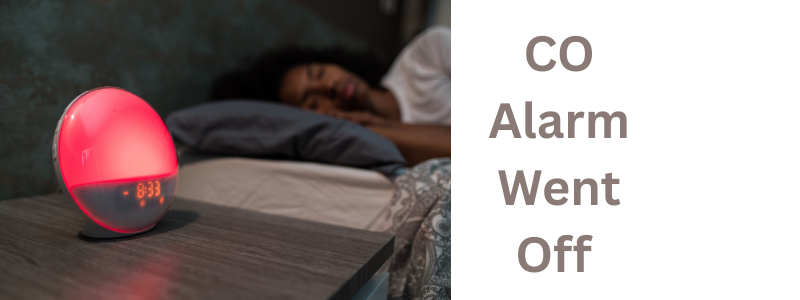
You worry whether it is a false alarm or something serious. At that moment, many homeowners might dismiss this as unimportant. However, when the CO alarm sounds in the middle of the night, you cannot ignore it, whether it signals a real emergency or a false alarm. You need to understand what response is appropriate to protect your home and save your life. In this blog, we will explore why the CO alarm suddenly sirens, how to handle the situation calmly, and what steps you should take to ensure your safety.
Why Carbon Monoxide Is So Dangerous.
The first thing we need to do is find out why the alarm is sounding. Here are some facts about carbon monoxide (CO). CO is an odorless, colorless, and tasteless gas that kills silently. There is no way to see, smell, or taste it, but it can quickly become deadly. A fuel-powered appliance that doesn’t burn properly produces CO. There are many sources of heat, such as ovens, stoves, furnaces, boilers, fireplaces, water heaters, and car engines.
The accumulation of CO in your home replaces oxygen in your bloodstream with carbon dioxide. It can cause headaches, dizziness, confusion, nausea, chest pain, and even death. It is for this reason that CO alarms are effective at protecting your home.
You should take a CO alarm seriously, even if you are feeling well, if it sounds during sleep.
What to Do Immediately When the CO Alarm Goes Off.
When the alarm siren sounds, your first instinct might be anxiety, but your choices in the next moments are vital. Therefore, follow these steps carefully.
Step 1: Don’t ignore the alarm.
- Even if you believe it’s a false alarm, treat it as a real emergency since accurate information is essential.
Step 2: Evacuate everyone from the house. - Alert family and pets, and move them outside to fresh air immediately. Don’t delay to check for injuries or open windows—go outside straight away.
Step 3: Contact emergency services. - Once you’re outside and safe, call 911 or the local fire department. They have the right equipment to measure carbon monoxide levels and handle the situation safely.
Step 4: Do not attempt to re-enter until officially declared safe. - Even if the alarm stops, do not go back inside until authorities say it’s safe. Even if experts say there’s no danger, some carbon monoxide might still be present.
- If you or a family member feels dizzy, confused, or nauseous, seek medical help immediately. These could be signs of CO poisoning.
Understanding the Different CO Alarm Sounds.
When an alarm siren sounds at night, knowing what type it is can be helpful. The meaning of different patterns varies, such as:
A sudden siren indicates a dangerous surface; evacuate immediately. Intermittent siren: This is typically caused by a malfunctioning sensor or a low battery.
End-of-life signal: Some alarms sound every 30-60 seconds to indicate a unit needs to be replaced.
You can find these specific sound patterns in your alarm’s manual. It is important to identify variations so that you can act in a timely and appropriate manner.
What to Do After the Incident.
Once a professional has inspected your residence and it’s safe to re-enter, follow these steps:
The cause of your alarm should be determined by a technician. An issue with the device or wiring could be the cause.
Replace or rebuild the structure immediately if the problem persists. Despite a small leak of CO, it could cause a major disaster in the future.
Improve the air handling system by installing an exhaust fan and ensuring windows are easy to open.
Be sure to keep a record of the incident to assist you in developing a care and rescue plan.
It is important to take this step so that you are aware of what to do if your CO alarm ever sounds again.
FAQs.-
What are two warning signs of carbon monoxide in a house?
The two main symptoms of carbon monoxide in your home are a sudden headache and dizziness, as well as feeling unusually tired or nauseous. You may feel better if you leave immediately, which could indicate the presence of carbon monoxide.
What should I do if my CO alarm goes off?
As soon as your CO alarm sounds, leave your home for fresh air and inform the emergency services and local firefighters. Re-enter your home only after a specialist has confirmed that it is safe to do so.
Will opening windows get rid of carbon monoxide?
Although opening windows may reduce surface exposure to carbon monoxide, the gas is not effectively removed. To diagnose and treat the underlying cause, leave the area immediately and call emergency services.
conclusion.-
The CO alarm sirens during the night can not only be a source of stress, but also serve as a warning that there may be an emergency, or it may be a false alarm. In an alert state, you will be protected from an emergency, which is beneficial for you and your family. It is not carbon monoxide that indicates the presence of carbon monoxide, but it does indicate its presence. Think of it as your first line of defense. The small size of this device carries a lot of responsibility, so whenever it sounds, be careful but not concerned. In addition to maintaining peace, you should prepare rescue pl
ans and take preventive measures. Every night, may your residence remain safe, healthy, and free of carbon monoxide.