
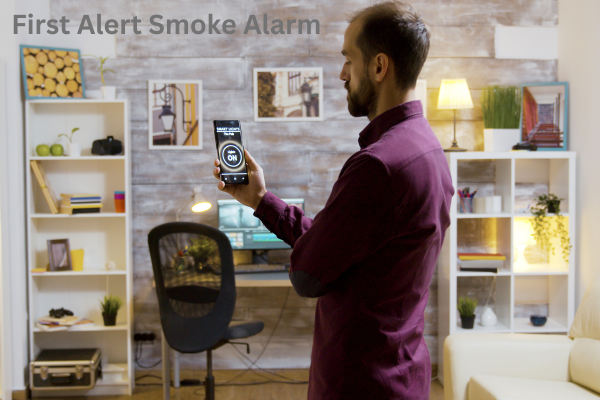
A smoke alarm is one of those devices we install and then probably never think about again until it starts beeping at 8:00 AM, or worse, in an emergency. Among the many brands available, First Alert smoke alarms are known for reliability, smart features, and ease of use.
Table of Contents
Whether you’re buying your first smoke alarm or replacing an old one, understanding how First Alert smoke alarms work can help you choose a safe option for your home, in this blog, we’ll explore what First Alert smoke alarms are, their key features, the different types available, how they detect smoke, and how to properly use and maintain them – all in simple, everyday terms.
What Is a First Alert Smoke Alarm?
A First Alert smoke alarm is a home safety device designed to detect smoke from a fire and alert occupants with a loud alarm. First Alert is a well-known brand that specializes in fire safety and carbon monoxide detection, offering products for homes, apartments, and offices. What sets First Alert apart is its emphasis on accuracy and minimizing false alarms. Many of their smoke alarms respond quickly to real fire threats while minimizing false alarms from cooking smoke and steam, making them particularly popular for kitchens, hallways, and apartments. First Alert smoke alarms are available in battery-operated, hardwired, and sealed 10-year battery models, making them suitable for both renters and homeowners.
Key Features of First Alert Smoke Alarms.
First Alert smoke alarms have many safety-focused features that make them easy to use and reliable:
Loud 85-decibel alarm: – Every First Alert smoke alarm emits a loud, piercing sound – loud enough to wake adults and children from sleep.
- This is especially important during nighttime fires, which are particularly dangerous.
Test and Silence Button: – Most models have a single test and silence button. You can press it for these functions:
Test the alarm to ensure it’s working: – Silence nuisance alarms caused by cooking or steam for a short period.
LED Indicator Lights: – First Alert smoke alarms use colored LED lights to indicate their status. - A green light typically means the alarm has power.
- Red blinking lights can indicate normal operation or an alarm event.
- A flashing or continuous red light during an alarm means smoke has been detected.
Smart Sensing Technology: – Many newer First Alert models use advanced sensors designed to react quickly to dangerous smoke levels while minimizing false alarms.
Interconnectivity (Select Models): – Some hardwired First Alert alarms can be interconnected. If one alarm detects smoke, all interconnected alarms will sound simultaneously, providing early warning throughout the entire residence.
Types of First Alert Smoke Alarms.
First Alert offers a variety of smoke alarms, each designed for different needs and home setups.
Battery-Operated Smoke Alarms: – These are easy to install and ideal for renters. They are powered by replaceable batteries, and the batteries need to be checked regularly. The alarm will chirp to indicate when the battery is low.
Hardwired Smoke Alarms: – Hardwired models are directly connected to your home’s electrical system. They typically have battery backup. In new residences, they are required by building codes.
10-Year Sealed Battery Smoke Alarm: This model features a sealed lithium battery designed to last for 10 years. You never need to change the battery; the entire unit is replaced when the alarm reaches the end of its lifespan. This option is low-maintenance and very popular.
Combination Smoke and Carbon Monoxide Alarm: Some First Alert devices combine smoke detection and carbon monoxide detection in a single unit, providing dual protection and saving space.
How a First Alert Smoke Alarm Works.
Understanding how a smoke alarm works helps you trust it and respond appropriately when it activates.
Smoke Detection Sensors: First Alert smoke alarms typically use one of two types of sensors:
- Photoelectric sensors detect light scattered by smoke particles and are best at detecting slow, smoldering fires.
- Ionization sensors detect changes in electrical current caused by smoke and respond quickly to fast-burning fires.
- Some models use dual-sensor technology, combining both for enhanced protection.
Alarm Activation: When smoke enters the alarm chamber and reaches a critical level, the sensor triggers the alarm. The device then emits a loud siren and flashes its LED light to alert occupants.
Reset and Recovery: Many First Alert alarms reset automatically after the smoke clears. If not, pressing the test/silence button usually restores normal operation.
FAQs.-
How does the first alert smoke alarm work?
A First Alert smoke alarm works by using built-in sensors to detect smoke particles in the air. When the smoke reaches a critical level, the alarm immediately emits a loud sound and flashing lights to warn everyone in the residence.
What are the different types of First Alert smoke detectors?
First Alert smoke detectors come in many types, including battery-operated models, hardwired alarms with battery backup, sealed units with a 10-year battery, and combination smoke and carbon monoxide detectors, allowing homeowners to choose based on their installation needs and maintenance preferences.
How many types of smoke alarms are there?
There are primarily three types of smoke alarms: ionization alarms for fast-burning fires, photoelectric alarms for smoldering fires, and dual-sensor alarms that combine both technologies for more comprehensive and reliable fire detection in the home.
Conclusion –
A First Alert smoke alarm is more than just a safety device; it’s a silent guardian that watches over your home day and night. With user-friendly features, multiple model options, and reliable smoke detection technology, all First Alert alarms provide dependable protection for homeowners, tenants, and residents alike. By understanding the features and operating principles of First Alert smoke alarms, you can choose the right model, install it correctly, and maintain it properly. A little knowledge now can make all the difference in saving lives tomorrow.
1 thought on “First Alert Smoke Alarm Explained: Features, Types, and How It Works.”