
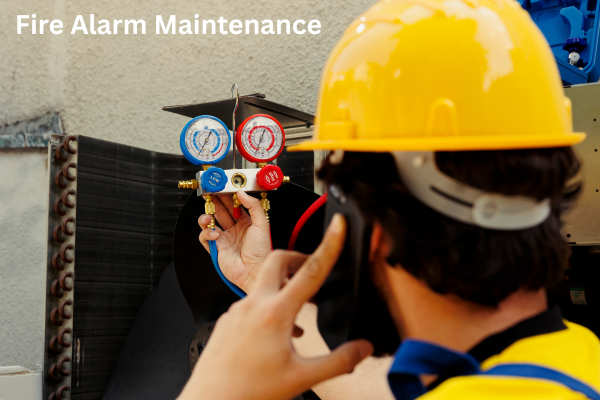
A fire alarm system is one of those things you hope you never have to rely on, but when you do, it should function flawlessly. Whether installed in a residence, office, warehouse, or apartment complex, a fire alarm system is monitored 24/7, unlike any other electrical or safety equipment. It’s not an install-and-forget approach. Without regular fire alarm maintenance, even the most advanced systems are unreliable.
Table of Contents
They can become ineffective or even harmful. Fire alarm maintenance goes beyond simply ensuring safety code compliance; it directly impacts the system’s overall lifespan. When properly maintained, parts last longer, performance remains consistent, and costly replacements are minimized. In this blog, we’ll explore how regular maintenance keeps your fire alarm system running optimally for years to come.
Preventing Wear and Tear Before It Becomes Damage.
Every fire alarm system consists of several parts, such as the control panel, smoke detector, heat detector, manual call point, and alarm sounder, along with the wiring network. These parts naturally deteriorate over time. Dust accumulates inside the detector, causing the battery to loosen, weakening the wires, and making the sensors less sensitive. Regular maintenance can quickly address these minor issues. For example:
- Cleaning the smoke detector ensures dust does not interfere with the sensor’s accuracy.
- Tightening loose connections reduces the risk of electrical faults.
- Inspecting the battery ensures reliable backup power.
Minor issues, when corrected promptly, do not escalate into major system failures. Think of it like servicing a vehicle. Minor tune-ups prevent engine damage. By reducing stress on components, maintenance significantly increases the system’s operational life.
Reducing the Risk of Component Failure.
A poor detector can impact the reliability of the entire system. A poorly controlled panel can render multiple zones inoperable. Regular inspections identify poor components before they become completely defective. During maintenance, technicians typically:
- Check various detectors for response
- Inspect the control panel for error codes
- Verify communication between devices
- Check the backup power supply
Replacing a loose battery or malfunctioning detector is far less expensive than replacing an entire system that has malfunctioned. Continuous monitoring ensures that each component is performing at its best, reducing the strain on interconnected parts. This proactive approach keeps the system running smoothly for years.
Protecting Sensitive Electronic Components.
Modern fire alarm systems rely heavily on electronics and microprocessors. These internal components are sensitive to environmental factors such as:
- Humidity
- Temperature fluctuations
- Dust accumulation
- Power surges
Without proper maintenance, these factors can gradually degrade the internal secretory system. Regular inspections help clarify this. They also help build protection types such as surge protectors and shield housings. Clear and tested protection also protects against corrosion and electrical shorts. Over time, unchecked corrosion can permanently damage internal circuits, requiring costly replacement. By maintaining a clear and stable operating environment, you keep the electronic “brains” of the system safe, allowing them to function properly for longer.
Ensuring Compliance with Safety Standards.
Fire alarm systems must comply with safety codes and standards set by the National Fire Protection Association (NFPA). These standards indicate how frequently systems should be inspected, tested, and maintained. Compliance is legally required, but it also supports the system’s longevity. Therefore, safety codes are designed for the most appropriate reasons. They explain:
- Regular functionality checks
- Proper documentation
- Timely battery replacement
- Timely part upgrades
When you follow these guidelines, you automatically establish a fire alarm maintenance routine that maintains system health. Systems maintained to industry standards typically outlast systems that are neglected. Compliance isn’t just about avoiding penalties; it’s about protecting your investment.
FAQs.-
What is the lifespan of a fire alarm system?
Most fire alarm systems last approximately 10 to 15 years, depending on the quality of installation and ongoing maintenance. Regular inspection, timely battery replacement, and proper servicing significantly extend the system’s lifespan and ensure continued, reliable performance.
Do fire alarm systems save lives?
Yes, fire alarm systems are life-saving. They provide quick detection of smoke and heat and immediate notification to occupants, giving them time to safely exit. Regular maintenance ensures that the system responds quickly and reliably when every moment truly counts.
What are the benefits of a fire alarm system?
A fire alarm system provides quick detection of fire, rapid alerts, and optimal escape time, helping to keep both life and property safe. It also minimizes damage, supports insurance compliance, and provides peace of mind knowing your rescue system is always ready.
Conclusion:
Fire alarm maintenance isn’t just a regulatory requirement; it’s a long-term investment in safety and durability. From preventing minor damage to every inspection and test, even protecting sensitive electronics, contributes significantly to the system’s lifespan. When you clean detectors and replace worn batteries, you protect both people and property. More importantly, you keep the system itself safe. A properly maintained fire alarm system can operate reliably for many years beyond its intended lifespan. Ultimately, fire alarm maintenance is about peace of mind. Knowing that your system is functioning properly and will respond promptly in an emergency is invaluable. By prioritizing regular maintenance, you ensure your fire alarm system remains reliable, consistent, and long-lasting.
1 thought on “How Fire Alarm Maintenance Improves System Lifespan.”